Back to the map
Akronafplia
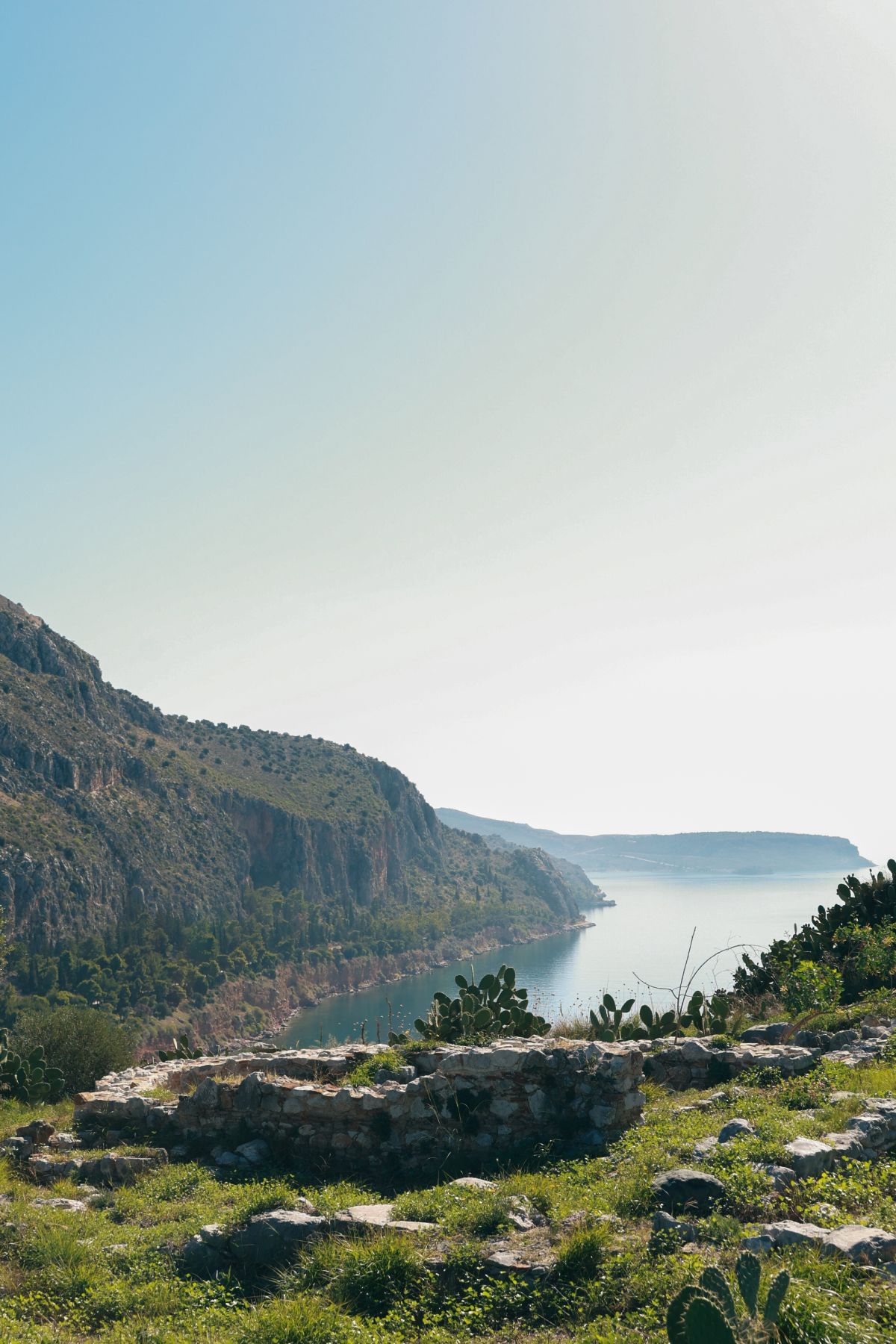
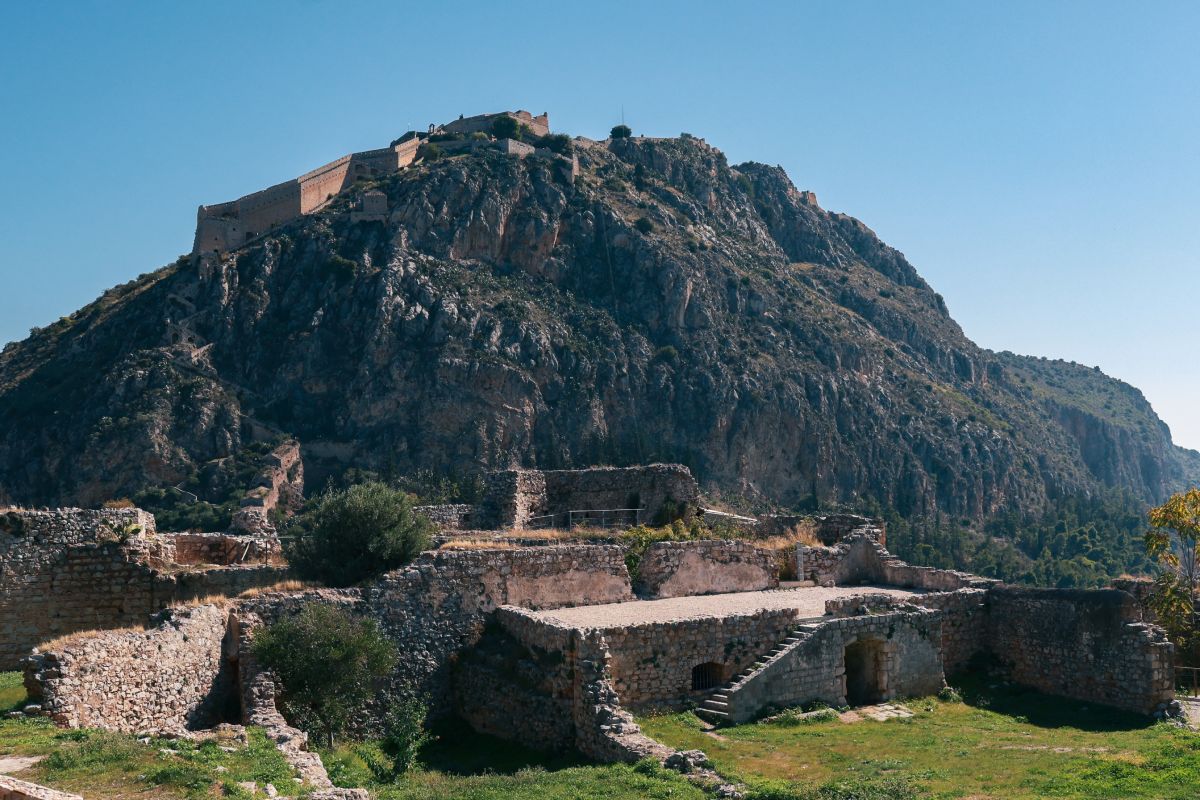
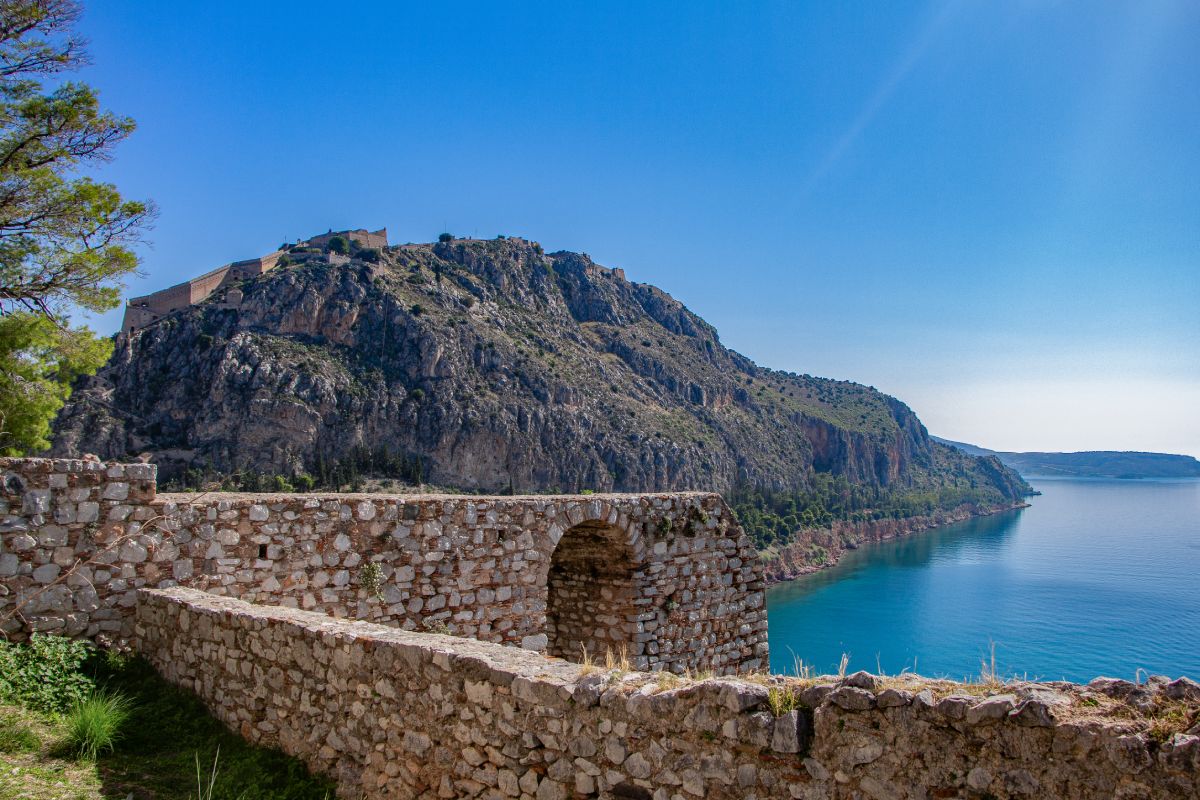
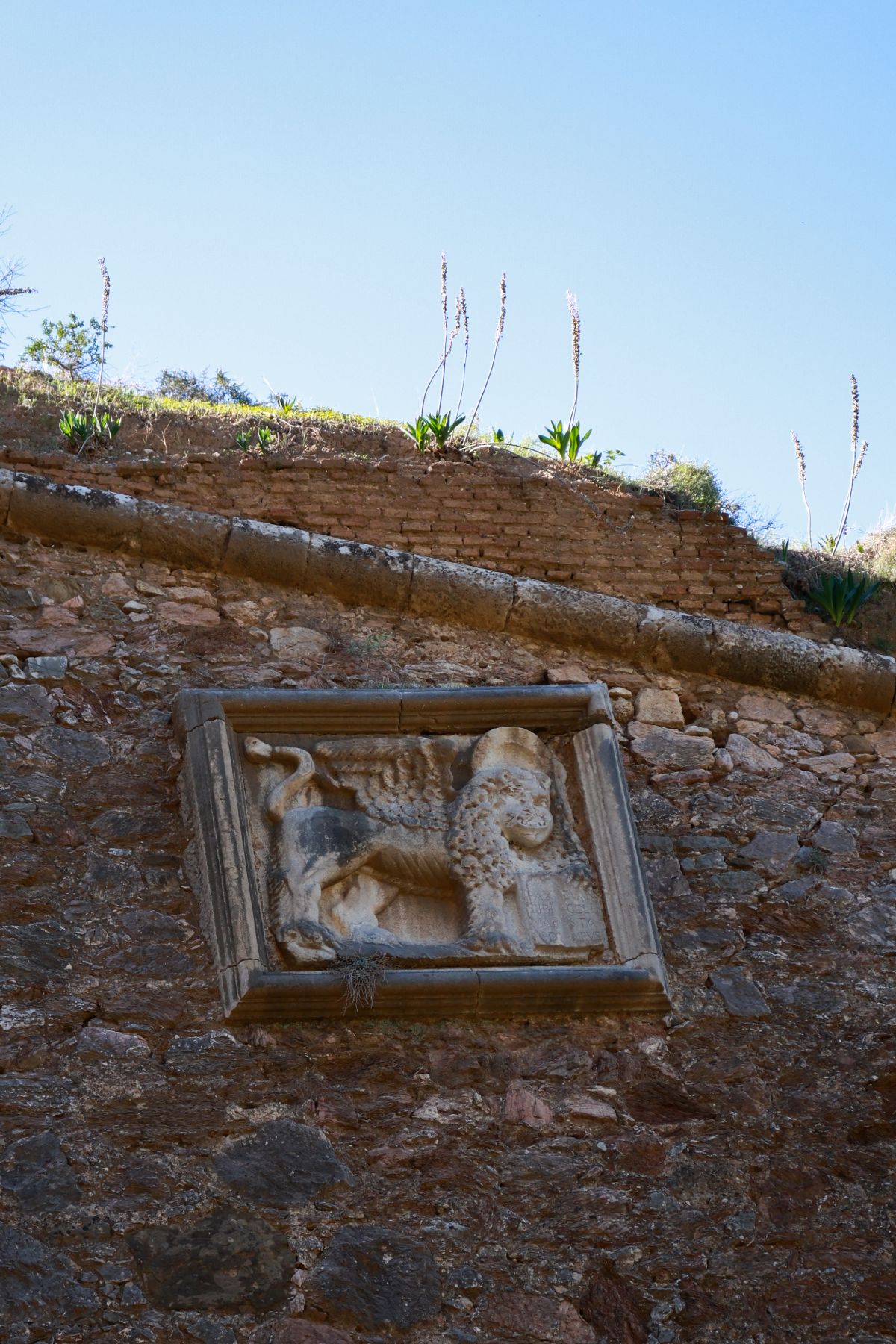
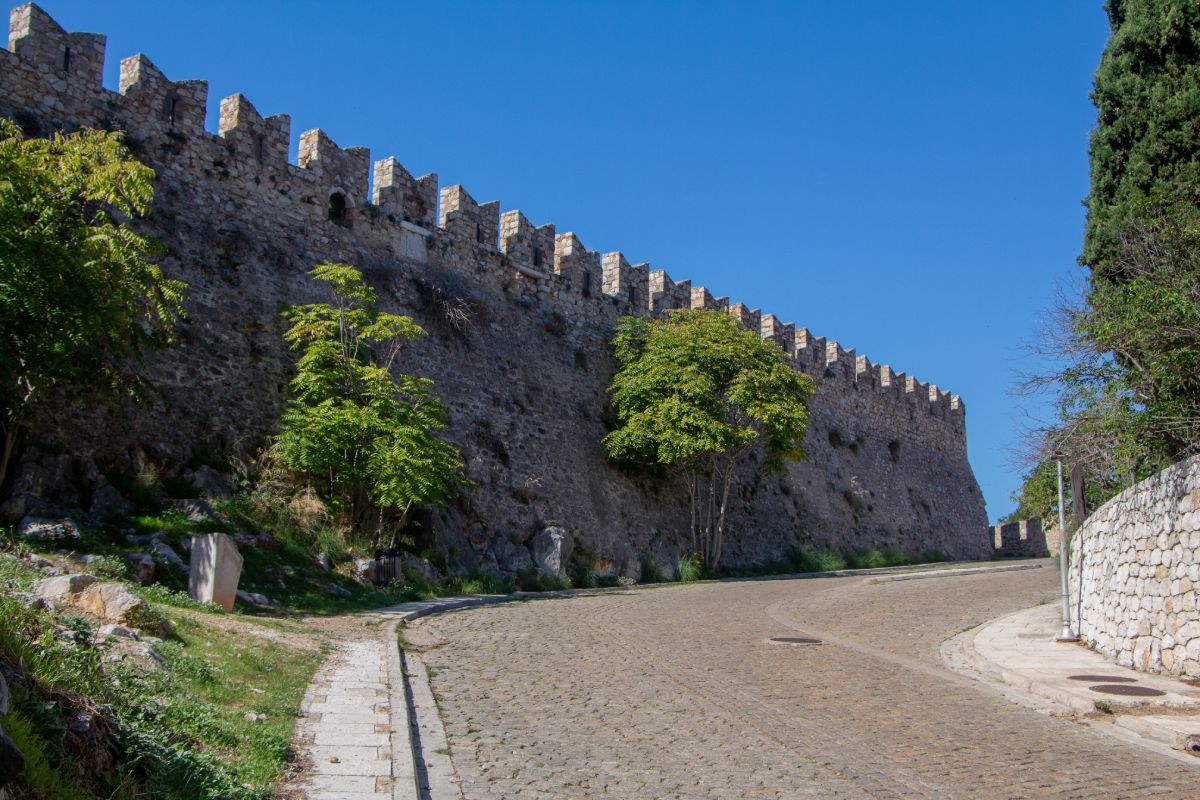
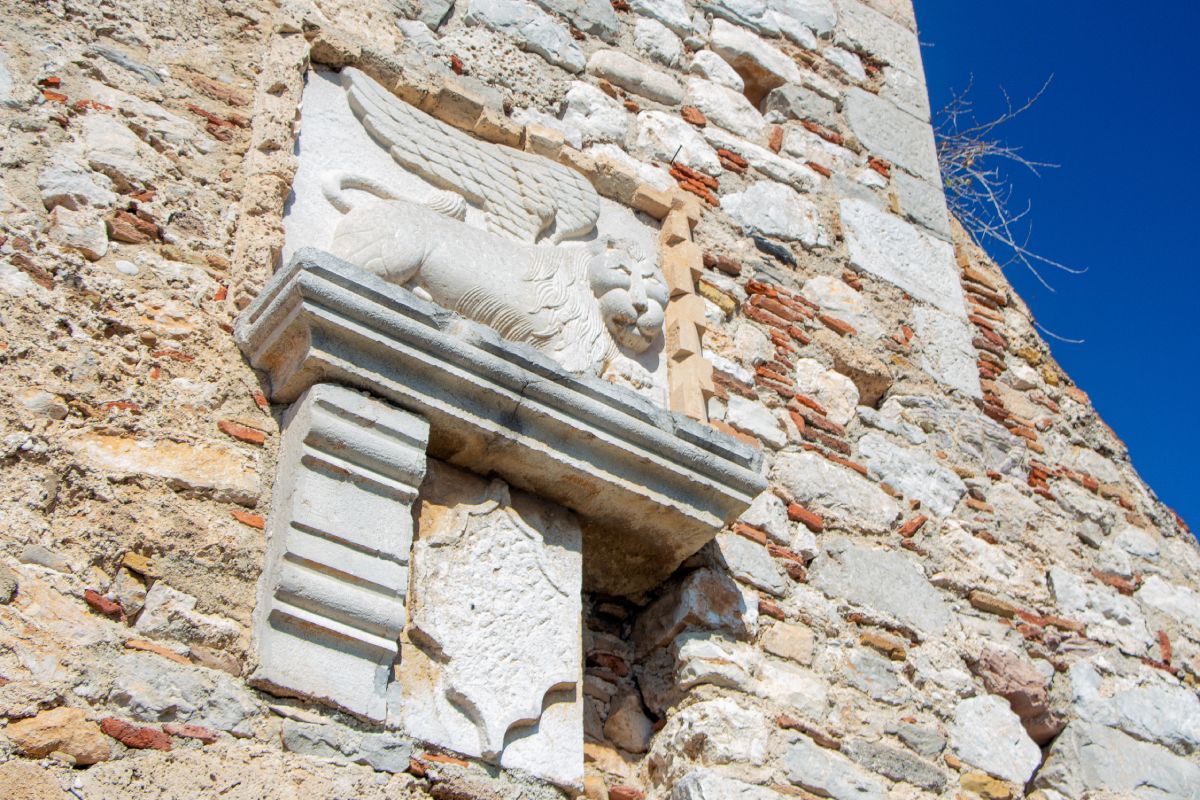
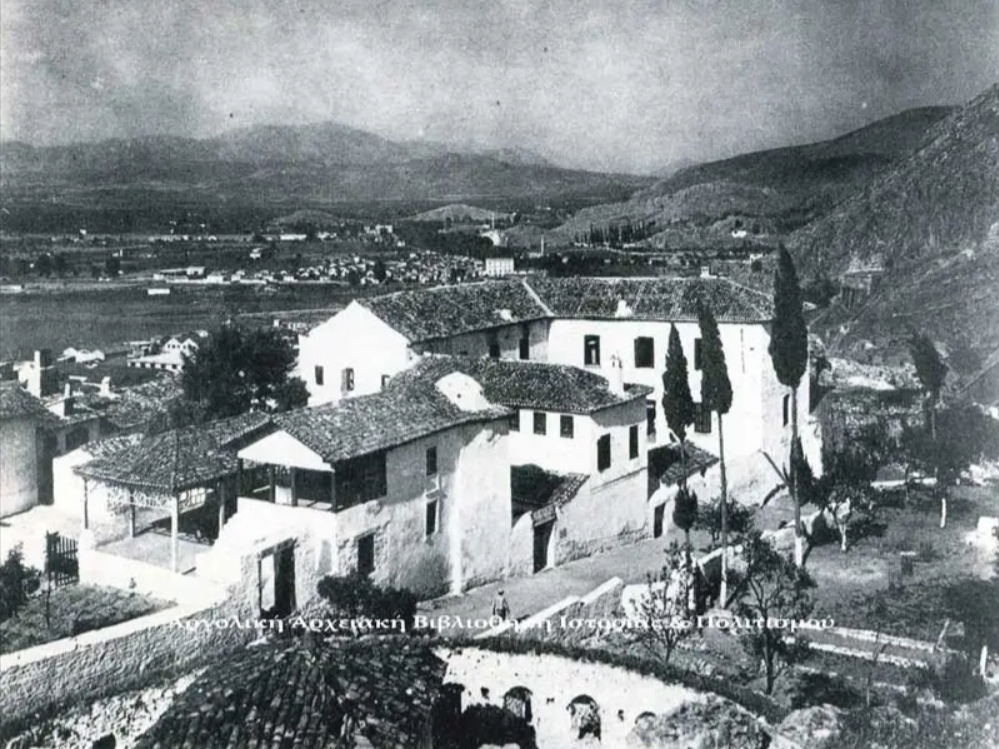
Known by its Ottoman name ‘Its Kale’, which means ‘castle inside the fortress’ or ‘acropolis’, Akronafplia is a narrow rocky peninsula above the modern city of Nafplio. The peninsula has a total length of 900 metres, width of 250 metres, and a maximum height of 85 metres. It is comprised of three levels, which gradually become lower from the west towards the east. It was the ancient and medieval city of Nafplio, while from the 15th century, the increase in population led to the expansion of the lower city by the Venetians. The present form of the Akronafplia Castle, although quite altered by modern interventions, took shape mainly during the period of Frankish rule and the 1st period of Venetian rule, from the 13th to the 16th century.
The Frankish castle
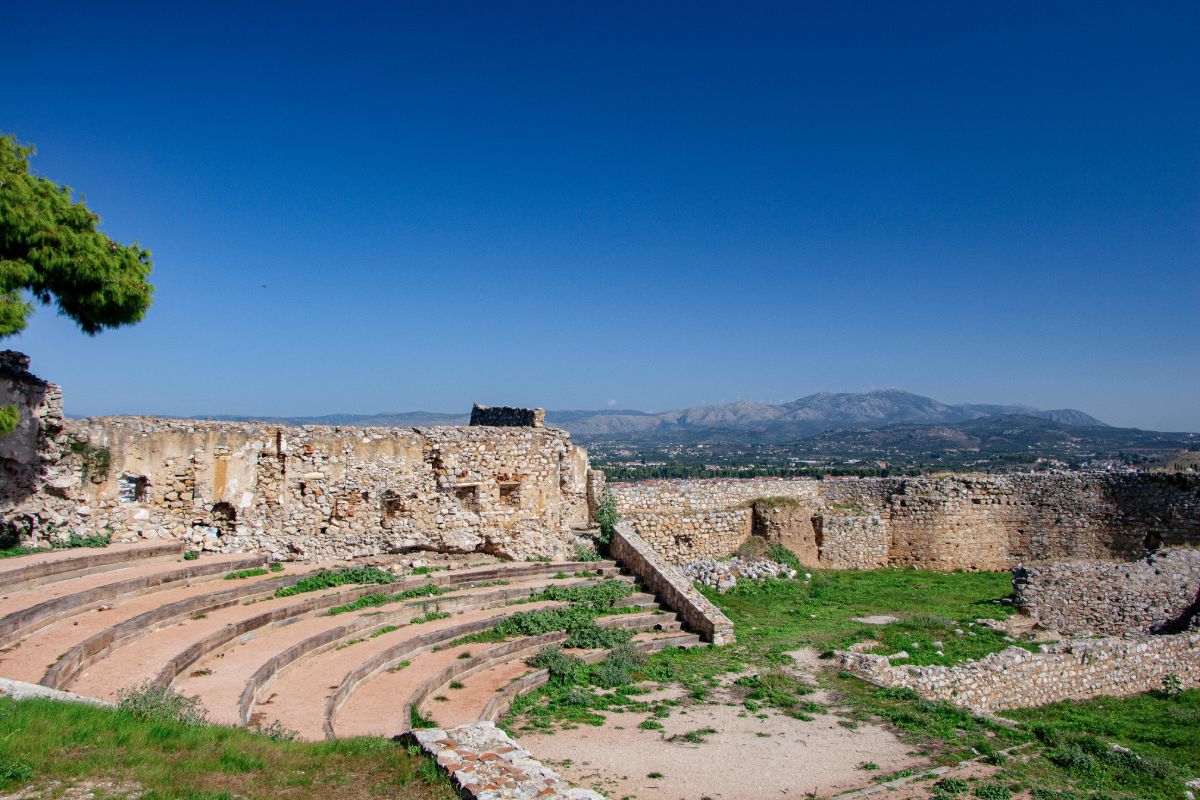
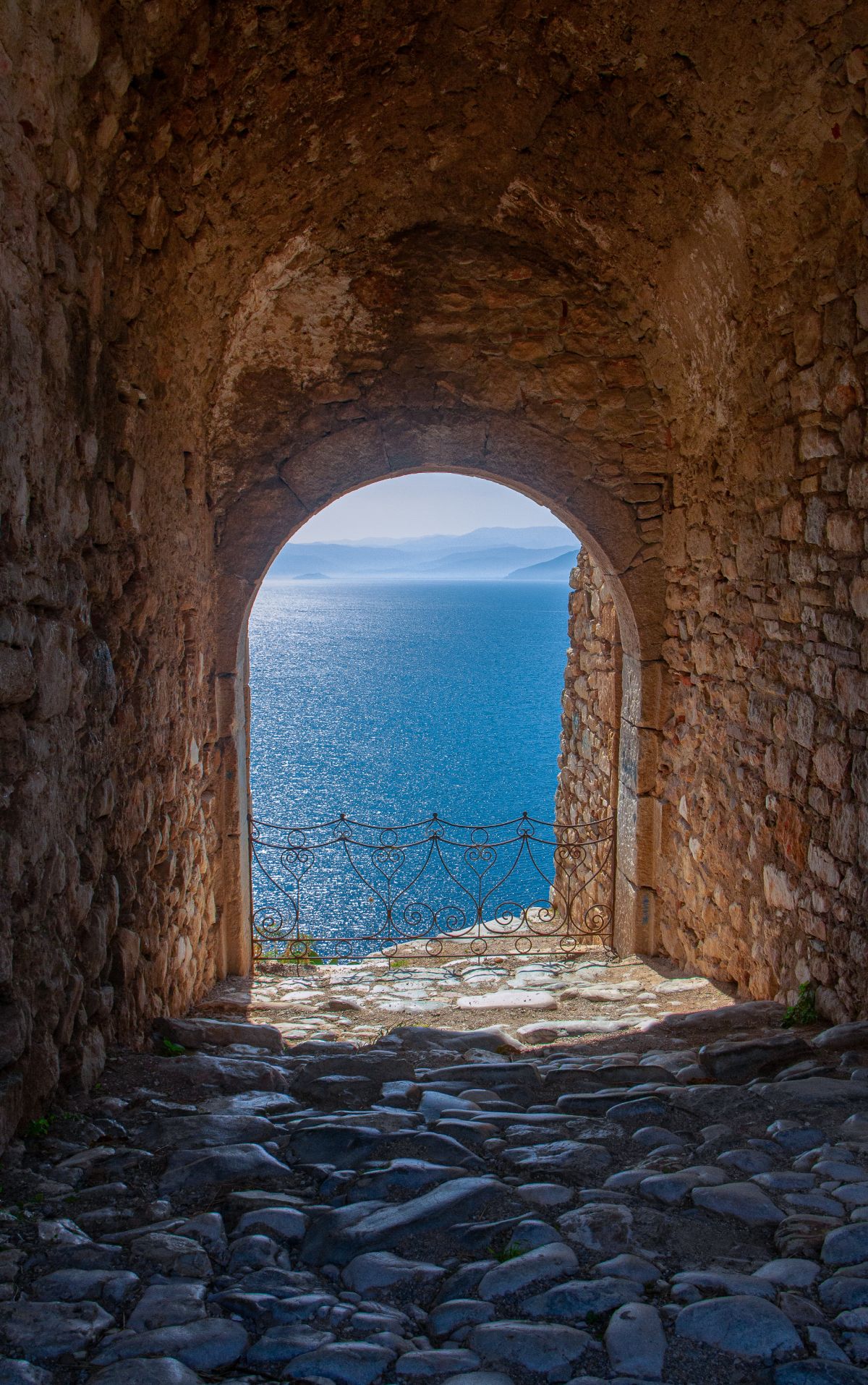
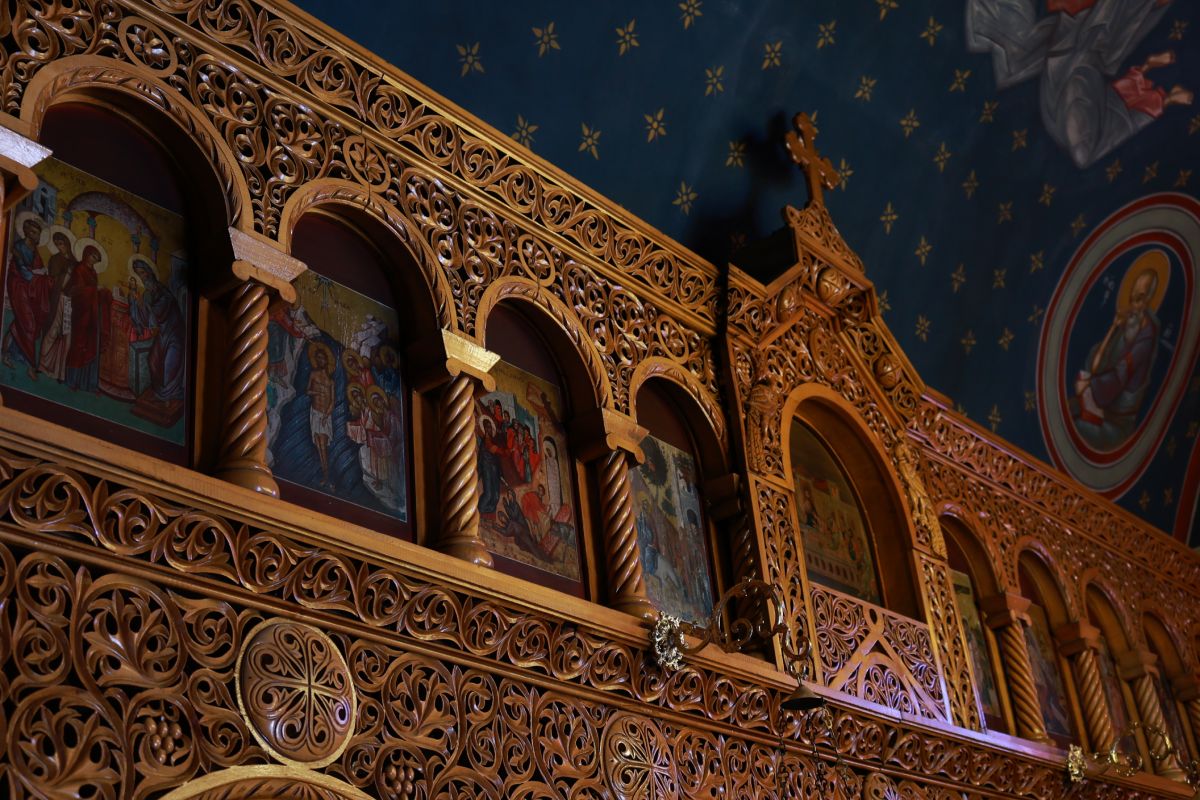
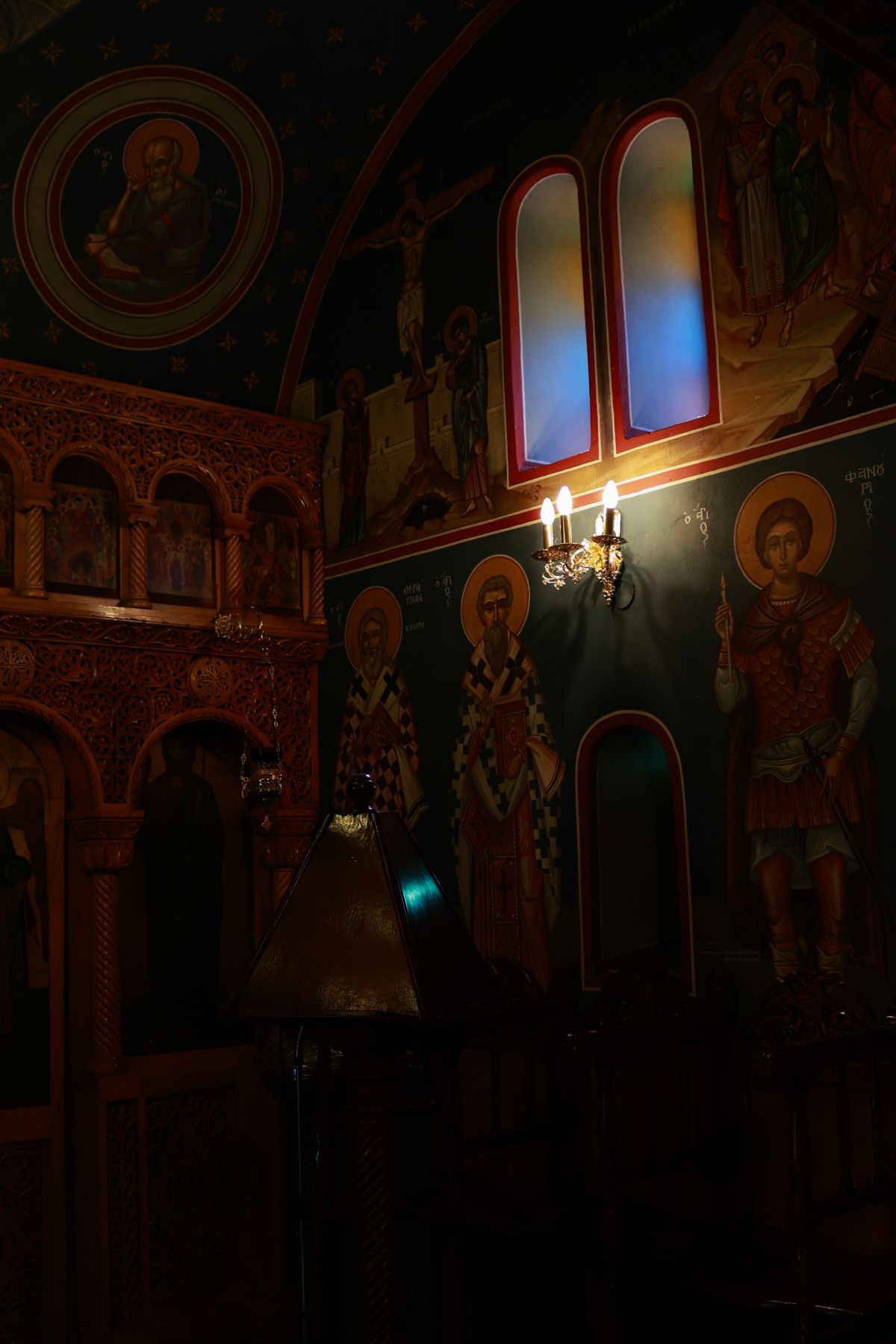
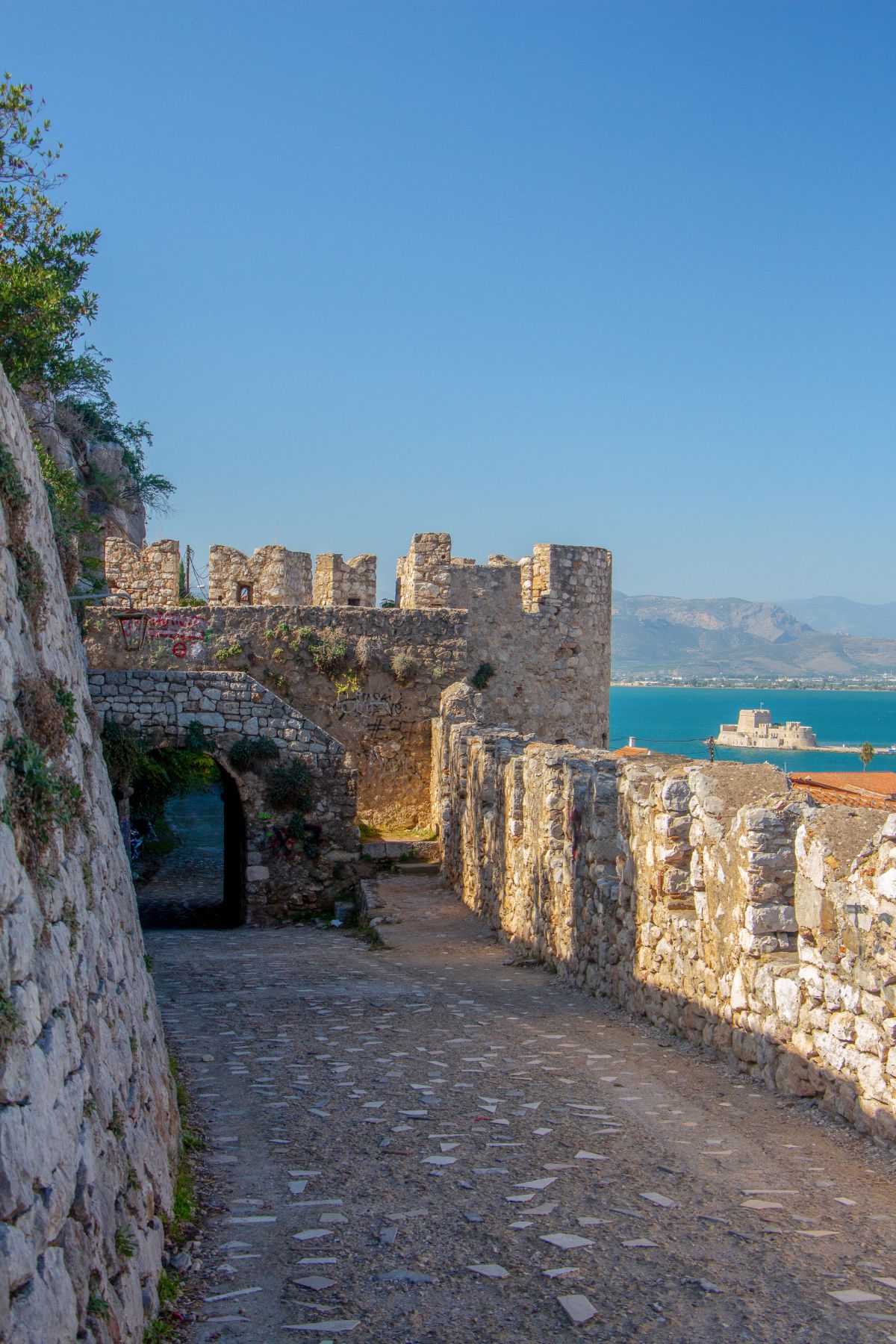
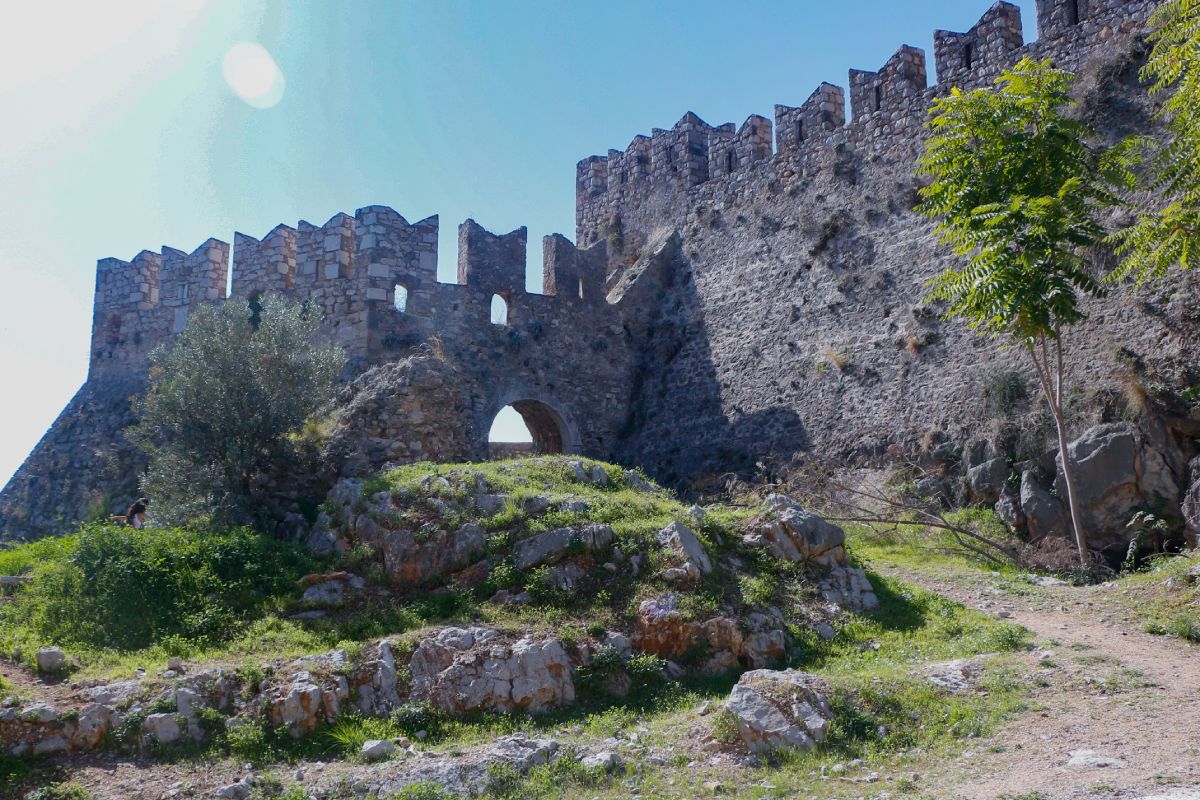
During the period of Frankish rule (1212-1389), the central level of the site was converted into the Frankish Castle, while the Greeks retained the western section, where the Romeiko Castle still remained. During the period of the 1st Venetian rule (1388-1540), there was a gate at the eastern wall of the Frankish castle, protected by two round towers and one triangular fortification. These elements comprise the east gate of the Akronafplia Castle, known as ‘the vaulted passage’, and are decorated with unique wall paintings of the late 13th/early 14th century, along with Byzantine and western elements. During the same era, the fortifications between the Frankish and Romeiko castles were reinforced with the construction of the so-called Traversa Gambello (Gambello transverse wall), named after the engineer Antonio Gambello, and a semi-circular tower which protected the gate. In the Kapodistrian period, the first Military Hospital and the chapel of Agioi Anargyroi were built.
The clock tower
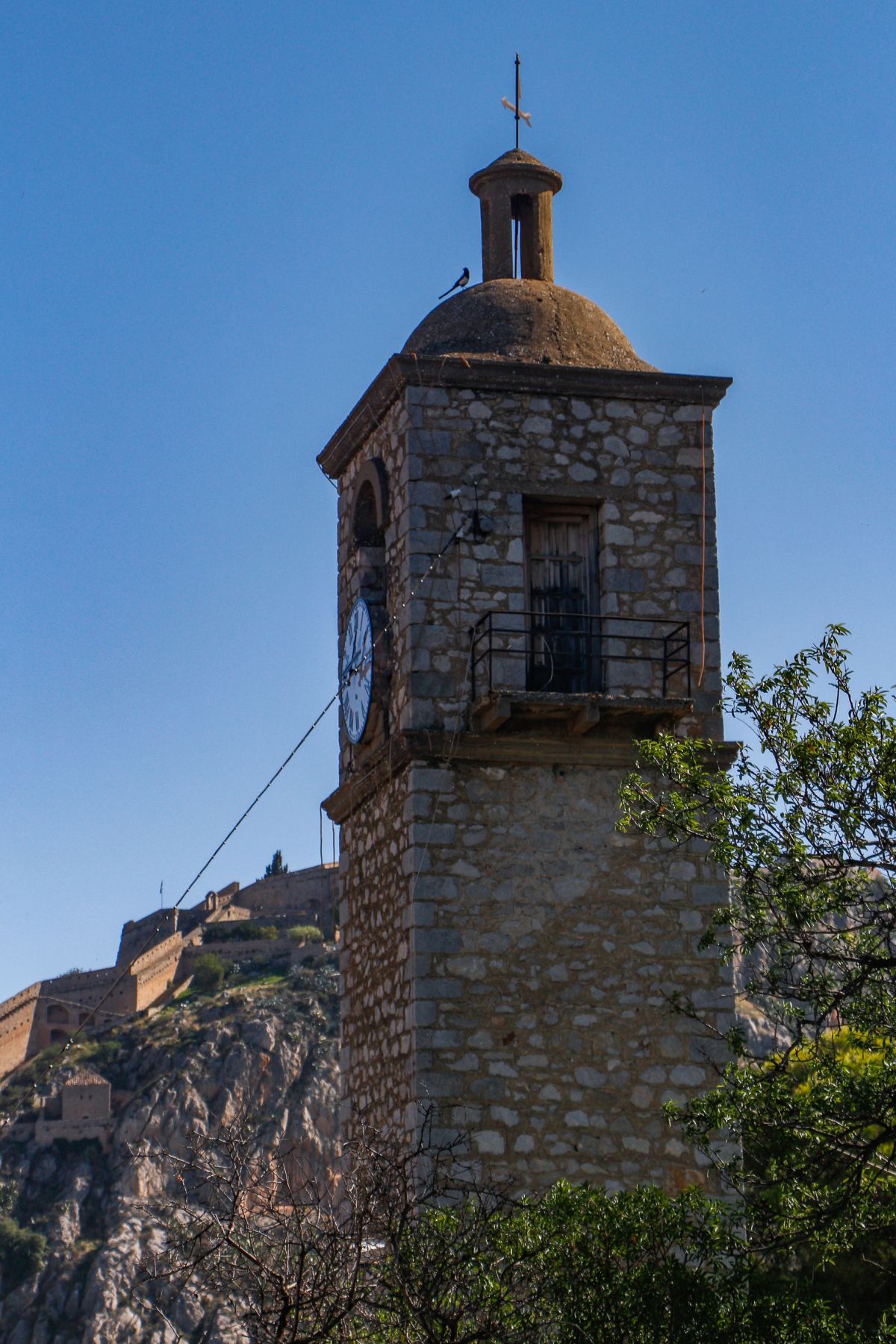
A meeting point for visitors and a landmark of Nafplio, the clock in the northern section of the Frankish castle has been dated to the period of King Otto. According to local tradition, the clock had been purchased from Bavaria by Otto. In May of 1944, the clock was blown up by the Germans because it obstructed a cannon they had installed in Akronafplia. In 1949, the Nafplio tourism committee had the clock tower rebuilt: On 14th September 1949 at 5:00 p.m., the clock began ‘to provide its services to the residents of the city’ with the original Bavarian mechanism, which had been saved and kept safe by the Municipality of Nafplio.
The Romeiko castle
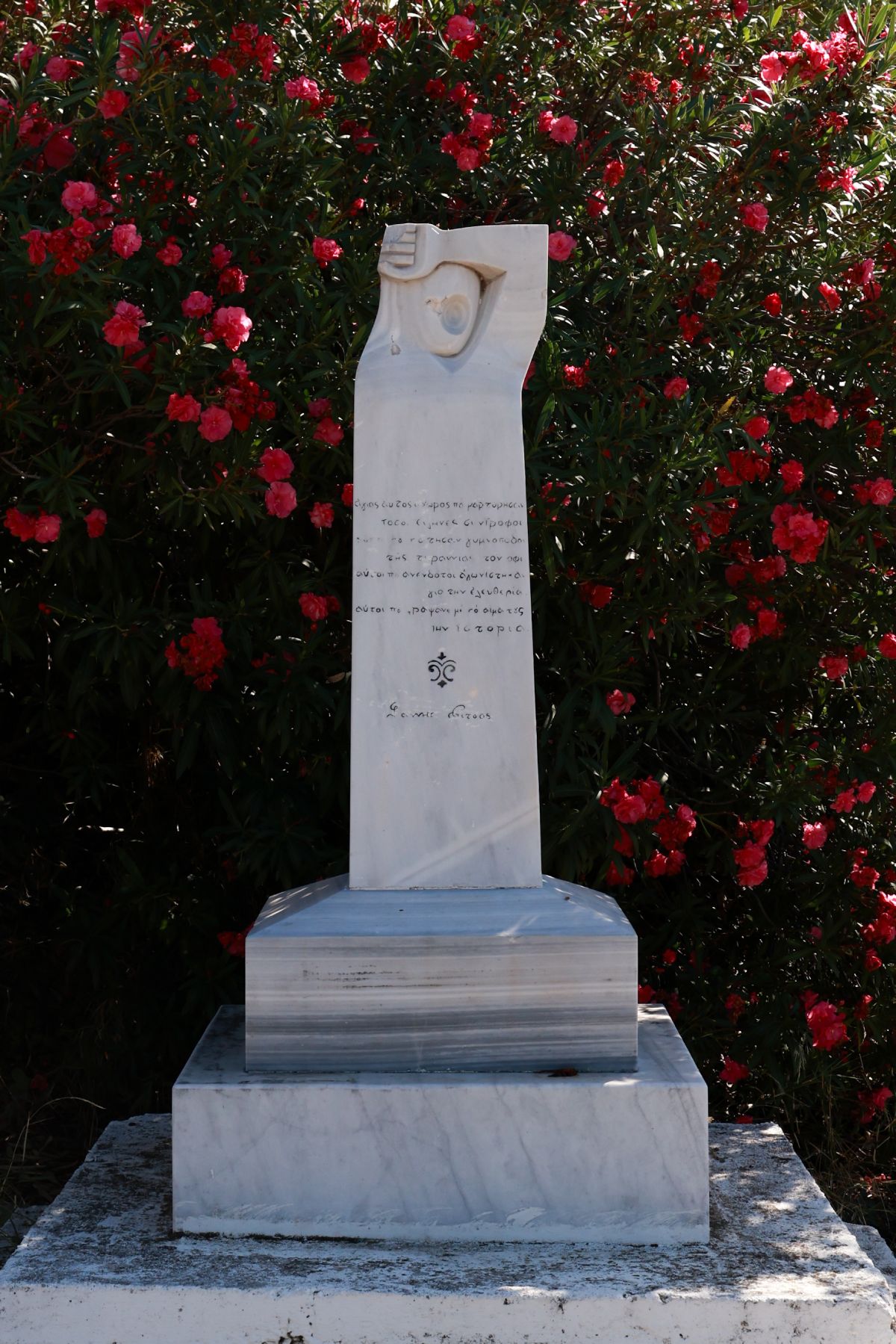
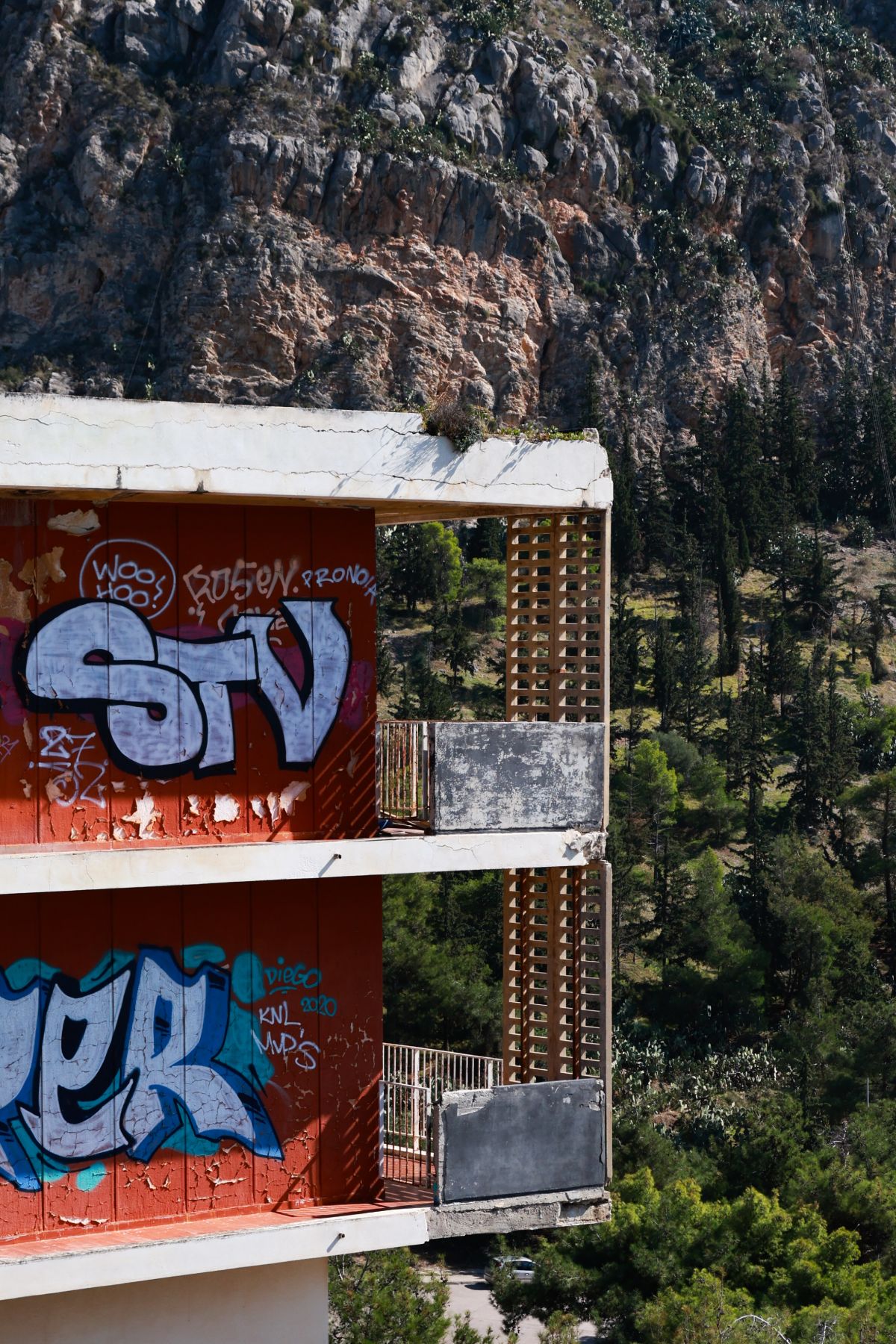
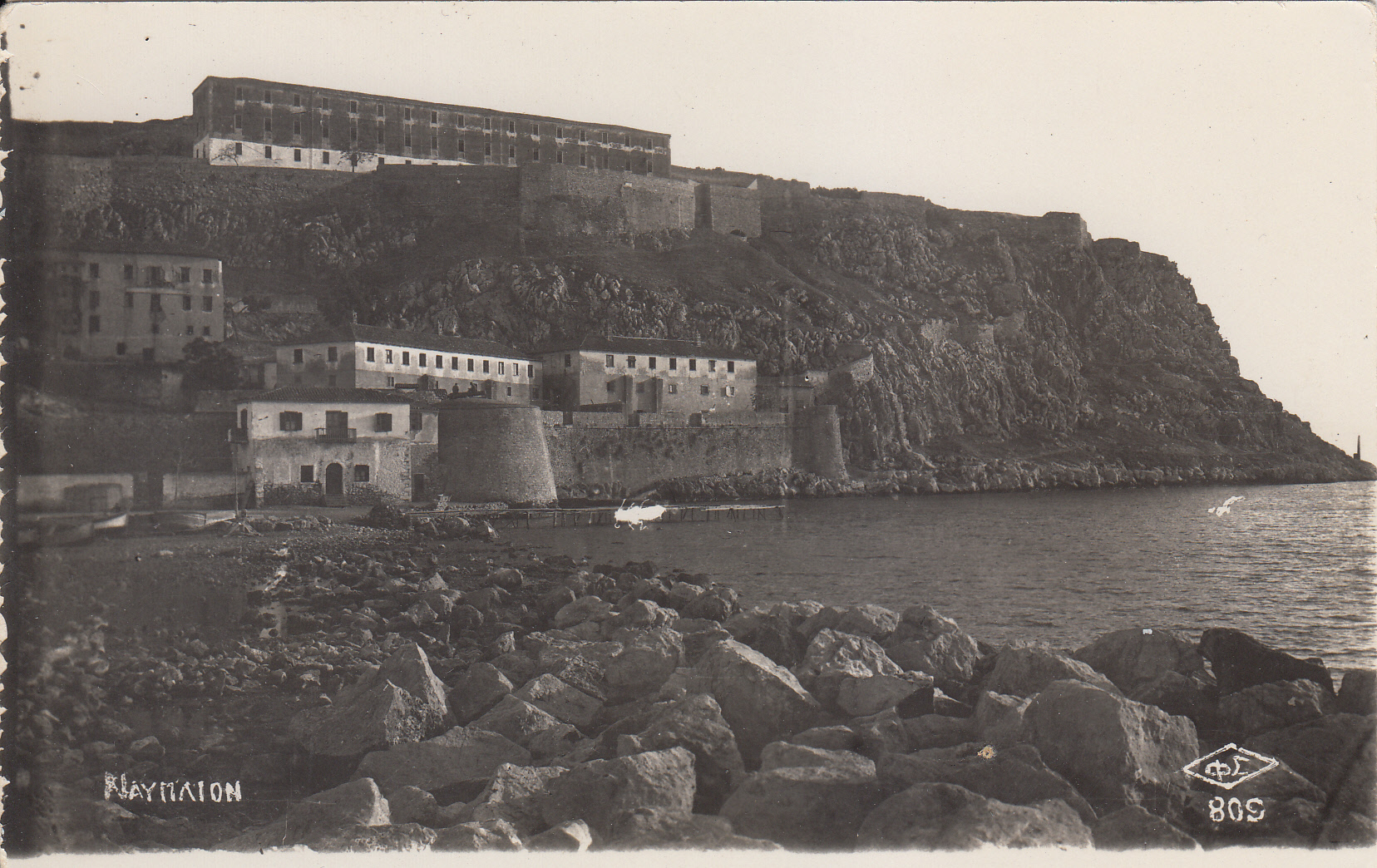
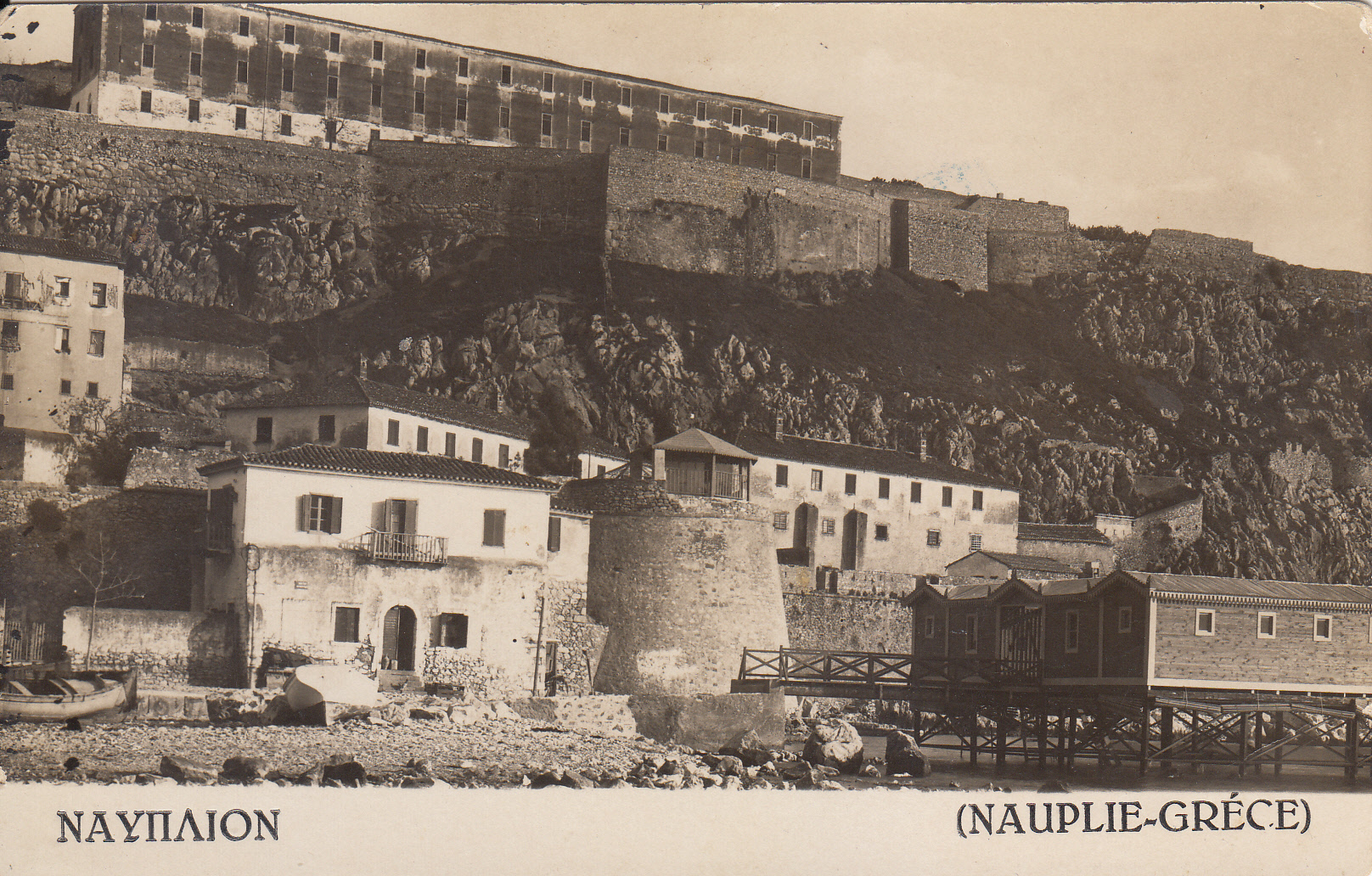
In 1713, at the end of the period of the 2nd Venetian rule (1686-1715), the Sagredo Gate was constructed north of the Romeiko castle by the Venetian Agostino Sagredo, the General Superintendent of the Fleet. This intervention facilitated the movement of soldiers from the lower city of Akronafplia. In more recent times, and particularly in 1829, the Governor of Greece, Ioannis Kapodistrias, erected a large barracks within the walls of the Romeiko castle. As of 21st November 1884, the barracks building housed the Military Prison of Nafplio, where soldiers sentenced to more than three months’ imprisonment were incarcerated. In 1937, during the period of the dictatorship of Ioannis Metaxas, the prison was also used for political prisoners, and operated as such until around 1960. In 1970-1971, the demolition of the prison began to provide space for the construction of the ‘Xenia Palace’ hotel. This resulted in the destruction of a significant section of the walls and structure of the Romeiko castle. Today, this site is occupied by the ‘Nafplia Palace’ hotel, while there are monuments dedicated to the civilians of Akronafplia executed during the German occupation.
Within the Romeiko castle, west of the Frankish transverse wall, are the remains of a church dedicated to Agios Theodoros. South of the church there is a cistern, in which Byzantine ceramics and coins dating to the middle 11th century -18th century have been found.
The Castle of Toron
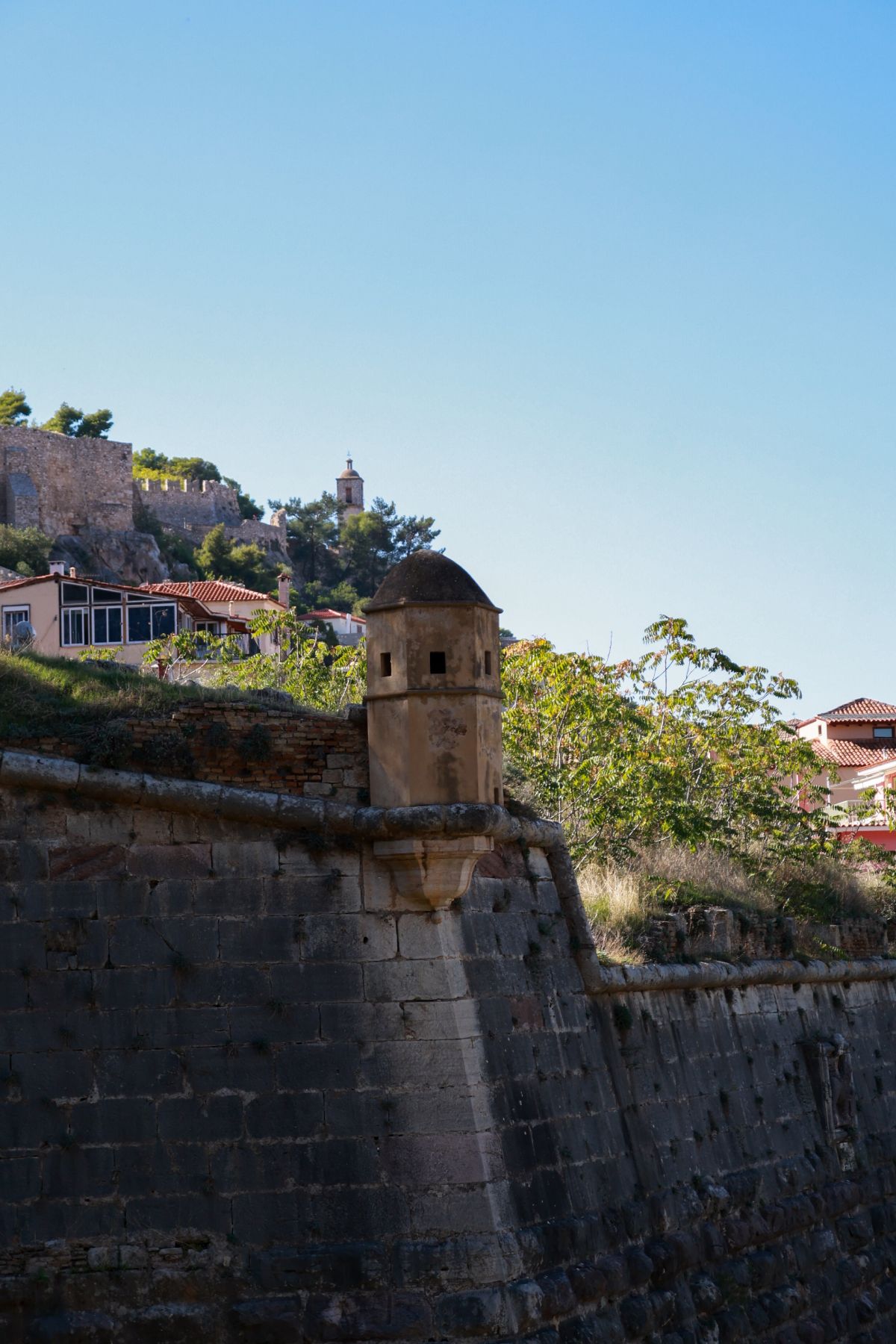
During the 1st period of Venetian Rule (1388-1540) and due to the need for intensive reinforcement of the fortifications, a third castle was constructed in Akronafplia in the lowest and easternmost of the three uplifted part of the peninsula. This became known as the Castle of Toron, a section of which was appropriated in modern times by the now defunct ‘Xenia’ hotel. In the year 1706, during the 2nd period of Venetian rule (1686-1715), the Grimani bastion was built in the northeastern corner of the Castle of Toron; the bastion takes its name from that of the General Supervisor of the Peloponnese, Grimani. In the same year, an armory was built west of the Gambello transverse wall.
Today, a visitor can reach Akronafplia either on foot or by car from Staikopoulos Park, right below the Grimani Bastion. Alternatively, one can follow the ‘stair street’ found at the level of the Catholic church and end up at the northwestern corner of the castle, through the Gate of the Castle of Toron.